Free Case Conference Agenda

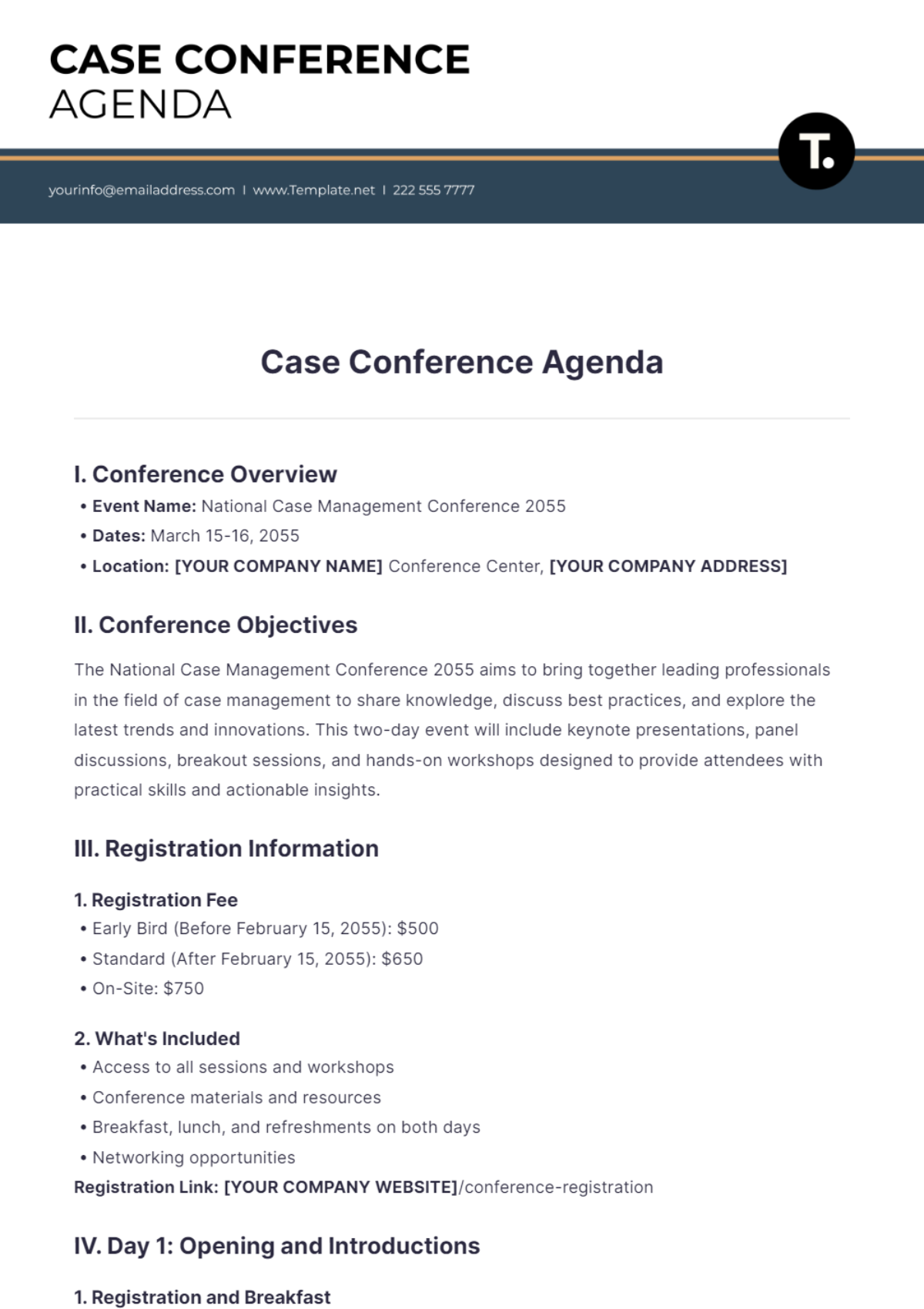
I. Conference Overview
Event Name: National Case Management Conference 2055
Dates: March 15-16, 2055
Location: [YOUR COMPANY NAME] Conference Center, [YOUR COMPANY ADDRESS]
II. Conference Objectives
The National Case Management Conference 2055 aims to bring together leading professionals in the field of case management to share knowledge, discuss best practices, and explore the latest trends and innovations. This two-day event will include keynote presentations, panel discussions, breakout sessions, and hands-on workshops designed to provide attendees with practical skills and actionable insights.
III. Registration Information
1. Registration Fee
Early Bird (Before February 15, 2055): $500
Standard (After February 15, 2055): $650
On-Site: $750
2. What's Included
Access to all sessions and workshops
Conference materials and resources
Breakfast, lunch, and refreshments on both days
Networking opportunities
Registration Link: [YOUR COMPANY WEBSITE]/conference-registration
IV. Day 1: Opening and Introductions
1. Registration and Breakfast
Time: 8:00 AM - 9:00 AM
Location: Conference Hall A
Description:
Participants will register and enjoy a light breakfast. Networking opportunities will be available.
2. Welcome Address
Time: 9:00 AM - 9:30 AM
Location: Main Auditorium
Speaker: [YOUR NAME], Chief Executive Officer
Description:
A welcome address to introduce the conference objectives and outline the agenda.
3. Keynote Presentation: Current Trends in Case Management
Time: 9:30 AM - 10:30 AM
Location: Main Auditorium
Speaker: Dr. Jane Smith, Director of Case Management, National Health Institute
Description:
An insightful presentation on the latest trends and innovations in case management.
4. Morning Break
Time: 10:30 AM - 11:00 AM
Location: Conference Hall B
5. Panel Discussion: Best Practices in Case Management
Time: 11:00 AM - 12:30 PM
Location: Main Auditorium
Panelists:
Dr. John Doe, Senior Case Manager, Global Health Services
Mary Johnson, Lead Social Worker, City Health Department
Dr. William Brown, Director of Counseling Services, State University
Description:
A discussion on best practices and strategies for effective case management.
6. Networking Lunch
Time: 12:30 PM - 1:30 PM
Location: Dining Hall
V. Day 1: Afternoon Sessions
1. Breakout Session 1: Technology in Case Management
Time: 1:30 PM - 3:00 PM
Location: Room 101
Facilitator: Sarah Green, IT Consultant, HealthTech Innovations
Description:
Exploring the role of technology and software solutions in enhancing case management efficiency.
2. Breakout Session 2: Legal and Ethical Considerations
Time: 1:30 PM - 3:00 PM
Location: Room 102
Facilitator: James White, Legal Advisor, Health Law Group
Description:
An in-depth look at the legal and ethical challenges in case management.
3. Afternoon Break
Time: 3:00 PM - 3:30 PM
Location: Conference Hall B
4. Workshop: Developing Effective Case Plans
Time: 3:30 PM - 5:00 PM
Location: Main Auditorium
Facilitator: Dr. Emily Clark, Senior Case Planner, Regional Health Services
Description:
A hands-on workshop focused on creating and implementing effective case plans.
5. Closing Remarks and Preview of Day 2
Time: 5:00 PM - 5:30 PM
Location: Main Auditorium
Speaker: [YOUR NAME], Chief Executive Officer
Description:
Summarizing the key takeaways from Day 1 and providing an overview of the agenda for Day 2.
VI. Day 2: Specialized Workshops and Discussions
1. Registration and Breakfast
Time: 8:00 AM - 9:00 AM
Location: Conference Hall A
2. Opening Remarks
Time: 9:00 AM - 9:15 AM
Location: Main Auditorium
Speaker: [YOUR NAME], Chief Executive Officer
Description:
Welcoming participants to the second day and highlighting the day's sessions.
3. Workshop: Advanced Techniques in Case Management
Time: 9:15 AM - 10:45 AM
Location: Main Auditorium
Facilitator: Dr. Laura Martin, Lead Trainer, Case Management Solutions
Description:
Advanced techniques and methodologies for improving case management outcomes.
4. Morning Break
Time: 10:45 AM - 11:15 AM
Location: Conference Hall B
5. Breakout Session 1: Collaborative Case Management
Time: 11:15 AM - 12:45 PM
Location: Room 101
Facilitator: Michael Harris, Collaboration Specialist, Health Partnership Program
Description:
Strategies for effective collaboration between case managers, clients, and other stakeholders.
6. Breakout Session 2: Crisis Intervention
Time: 11:15 AM - 12:45 PM
Location: Room 102
Facilitator: Dr. Angela King, Crisis Management Expert, Emergency Health Services
Description:
Techniques and best practices for managing crises in case management.
7. Networking Lunch
Time: 12:45 PM - 1:45 PM
Location: Dining Hall
VII. Day 2: Concluding Sessions
1. Panel Discussion: Future of Case Management
Time: 1:45 PM - 3:15 PM
Location: Main Auditorium
Panelists:
Dr. Robert Wilson, Director of Case Management, Future Health Institute
Lisa Adams, Head of Social Services, Urban Community Health
Dr. Richard Lee, Professor of Social Work, National University
Description:
Exploring the future trends and innovations that will shape the field of case management.
2. Afternoon Break
Time: 3:15 PM - 3:45 PM
Location: Conference Hall B
3. Closing Workshop: Action Plan Development
Time: 3:45 PM - 5:00 PM
Location: Main Auditorium
Facilitator: Dr. Michelle Turner, Strategic Planner, Health Strategy Group
Description:
Participants will develop actionable plans to implement the knowledge and skills acquired during the conference.
4. Closing Remarks
Time: 5:00 PM - 5:30 PM
Location: Main Auditorium
Speaker: [YOUR NAME], Chief Executive Officer
Description:
Final remarks and gratitude expressed to all participants, speakers, and organizers.
- 100% Customizable, free editor
- Access 1 Million+ Templates, photo’s & graphics
- Download or share as a template
- Click and replace photos, graphics, text, backgrounds
- Resize, crop, AI write & more
- Access advanced editor
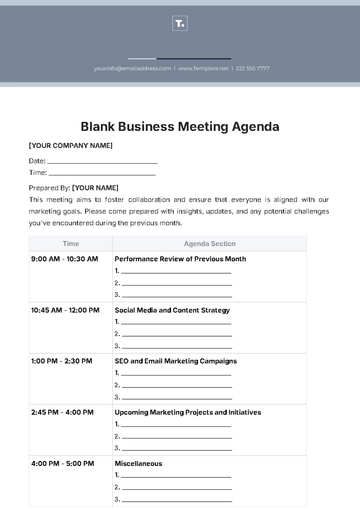
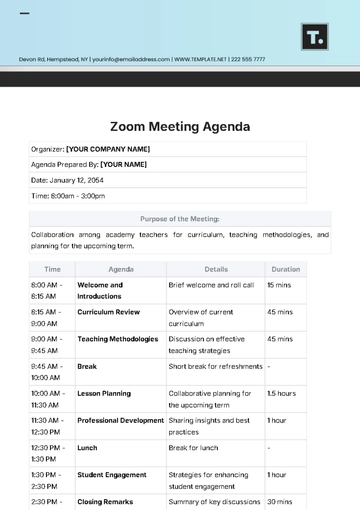
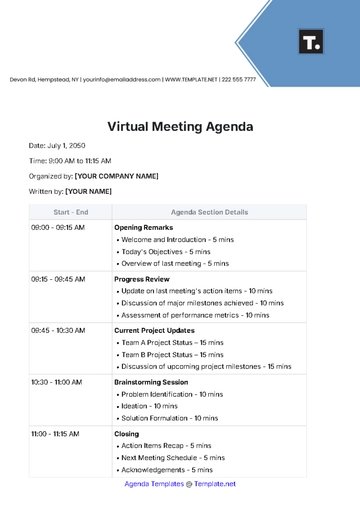
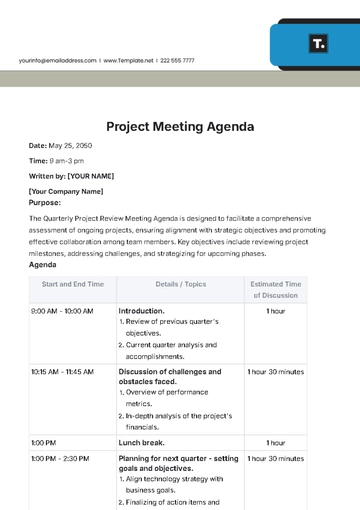
Streamline your case conferences with Template.net’s customizable Case Conference Agenda Template. Editable in our Ai Editor Tool, it helps you outline key discussions, participant roles, and follow-up actions. Ensure your meetings are more efficient, enabling participants to collaborate effectively on case reviews, share insights, and develop action plans for improved outcomes.